AI Agent Roles in a Human-in-the-Loop Monitoring Workflow
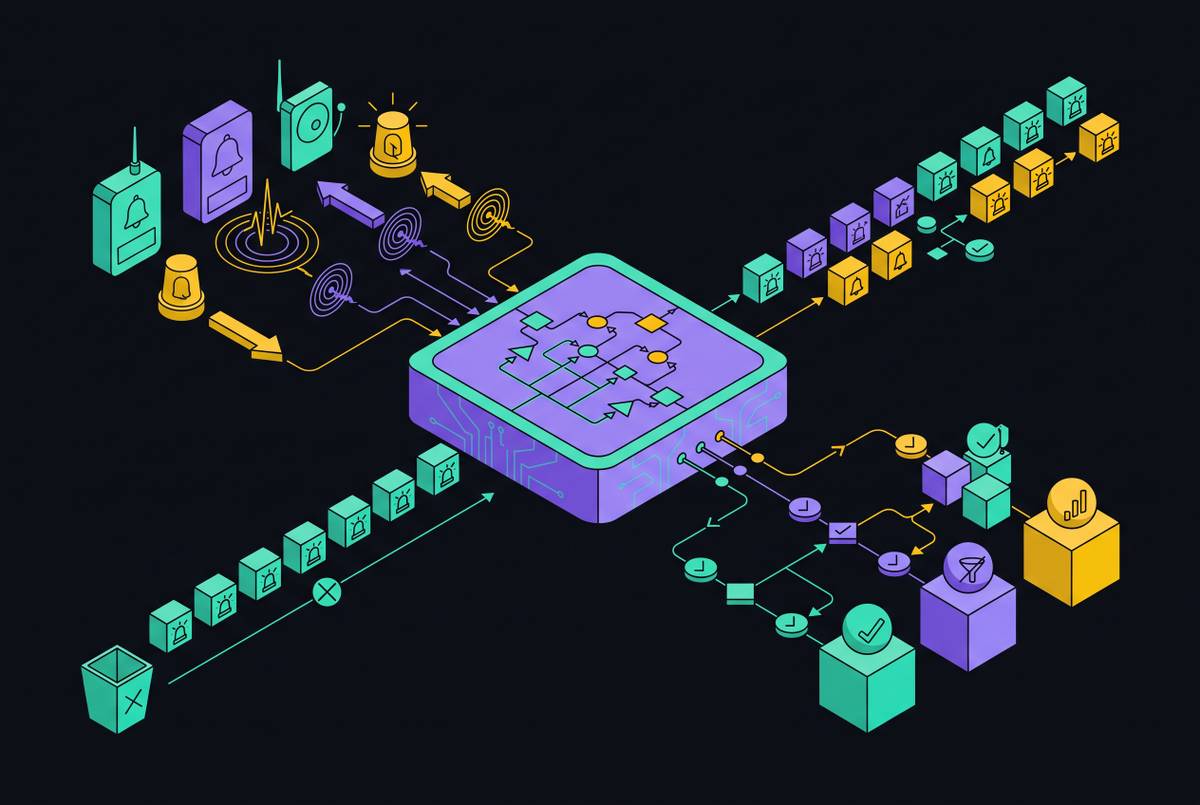
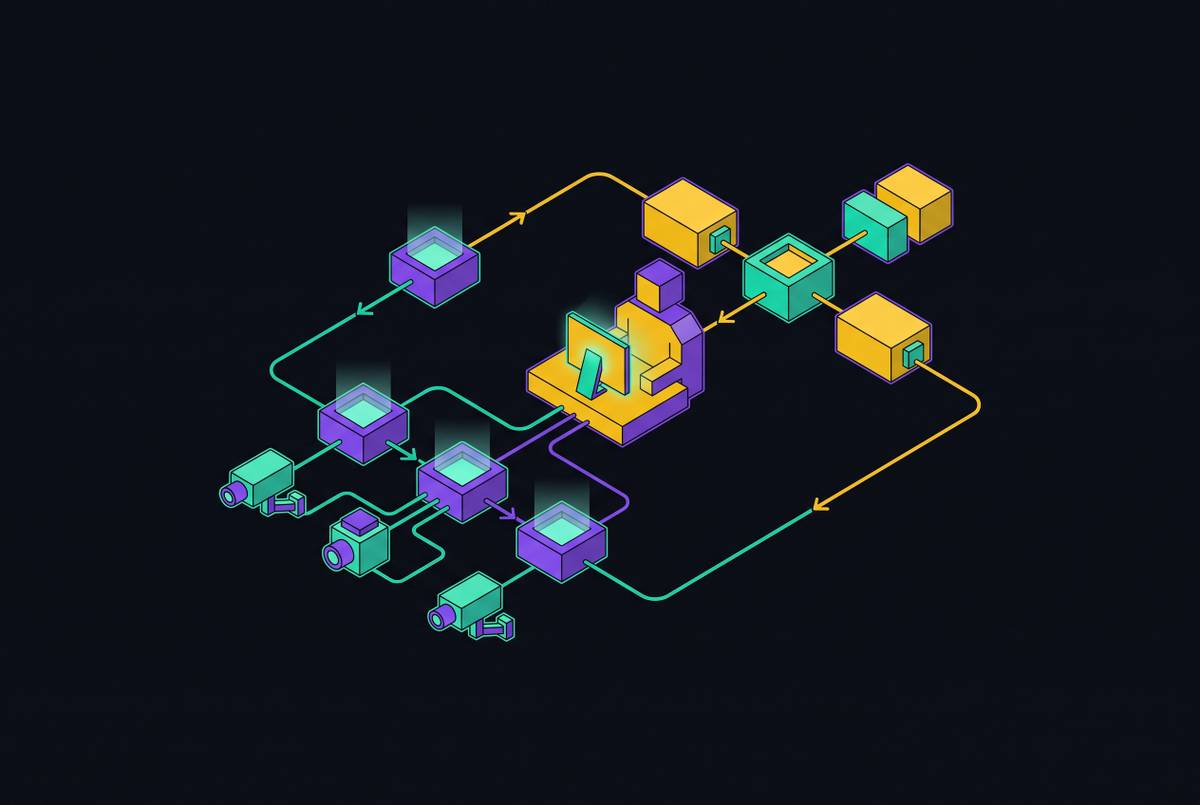
AI agents filter alarms; humans decide whether to respond.
Tobias Wren
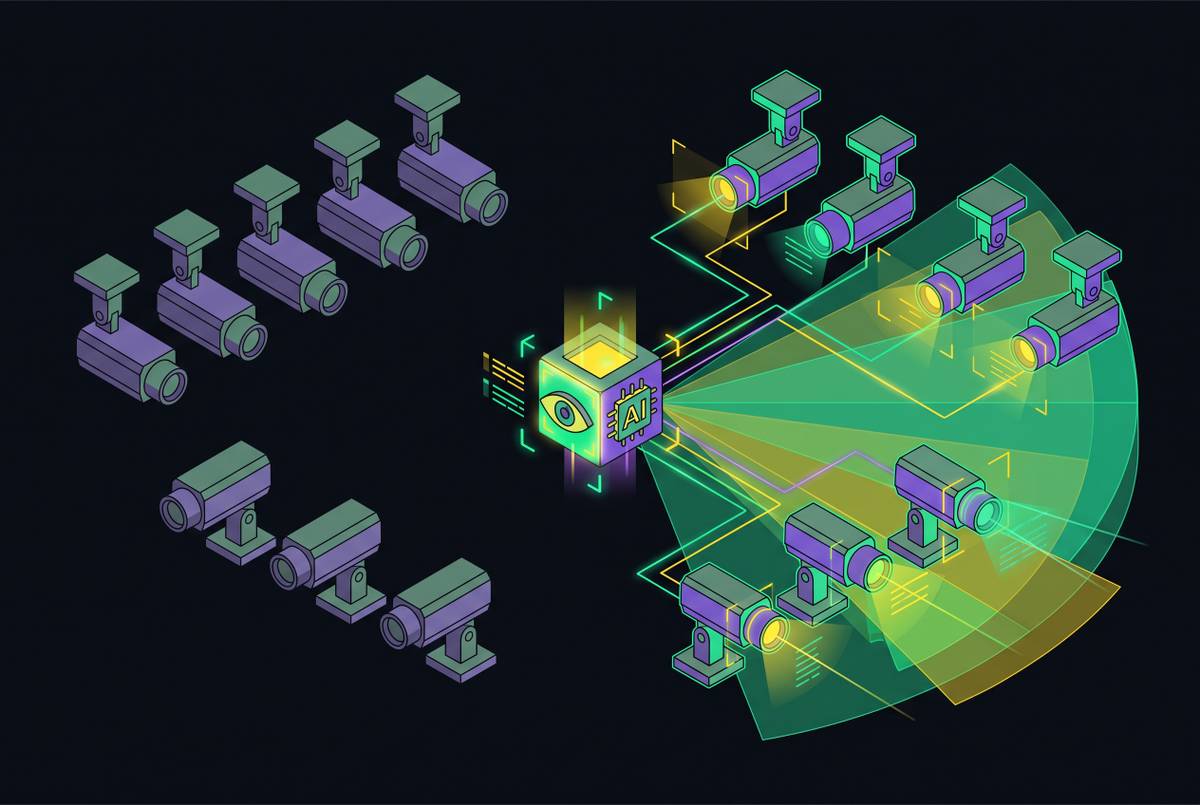
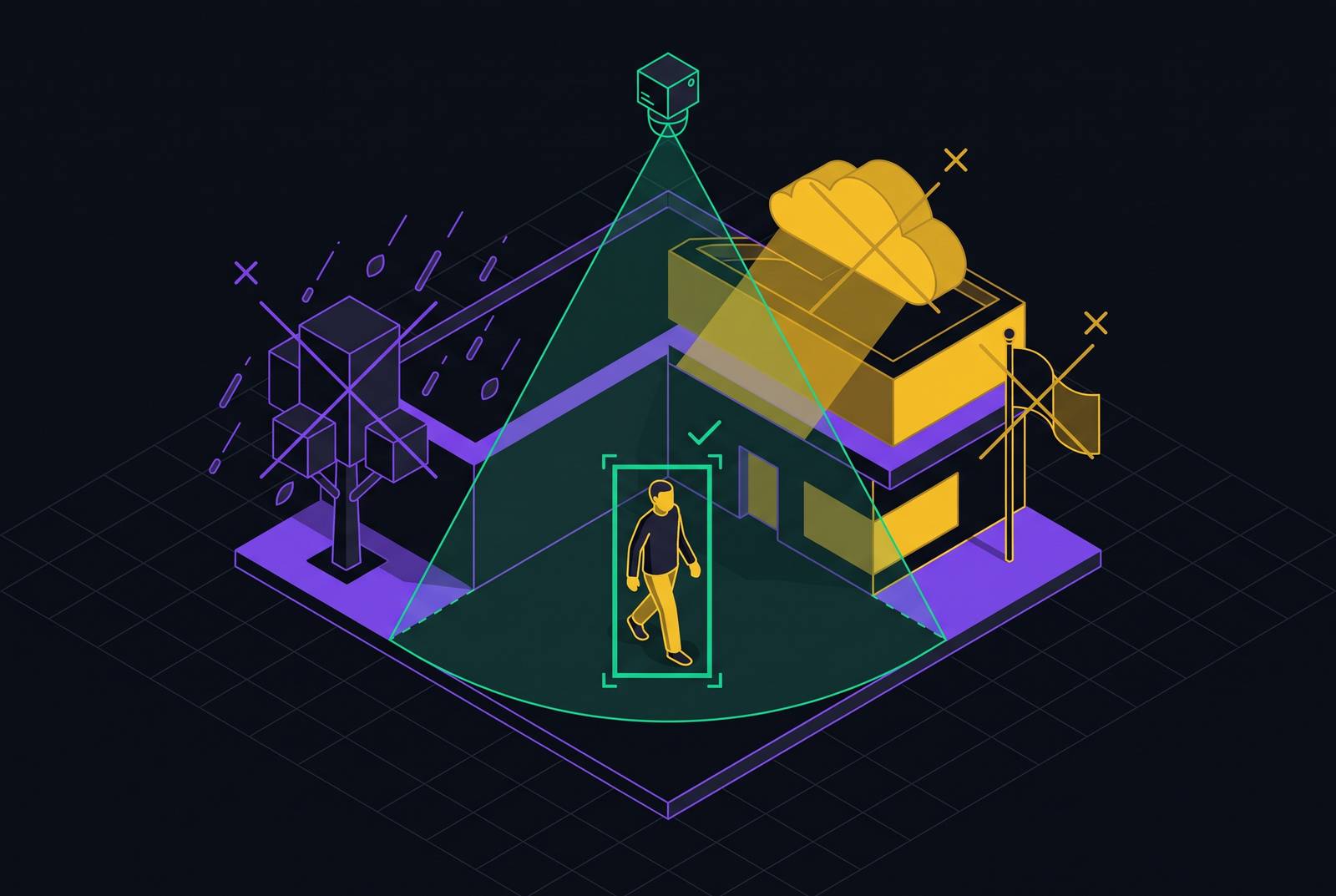
AI learns what matters by understanding objects and behavior, not just pixel changes.
AI agents filter alarms; humans decide whether to respond.
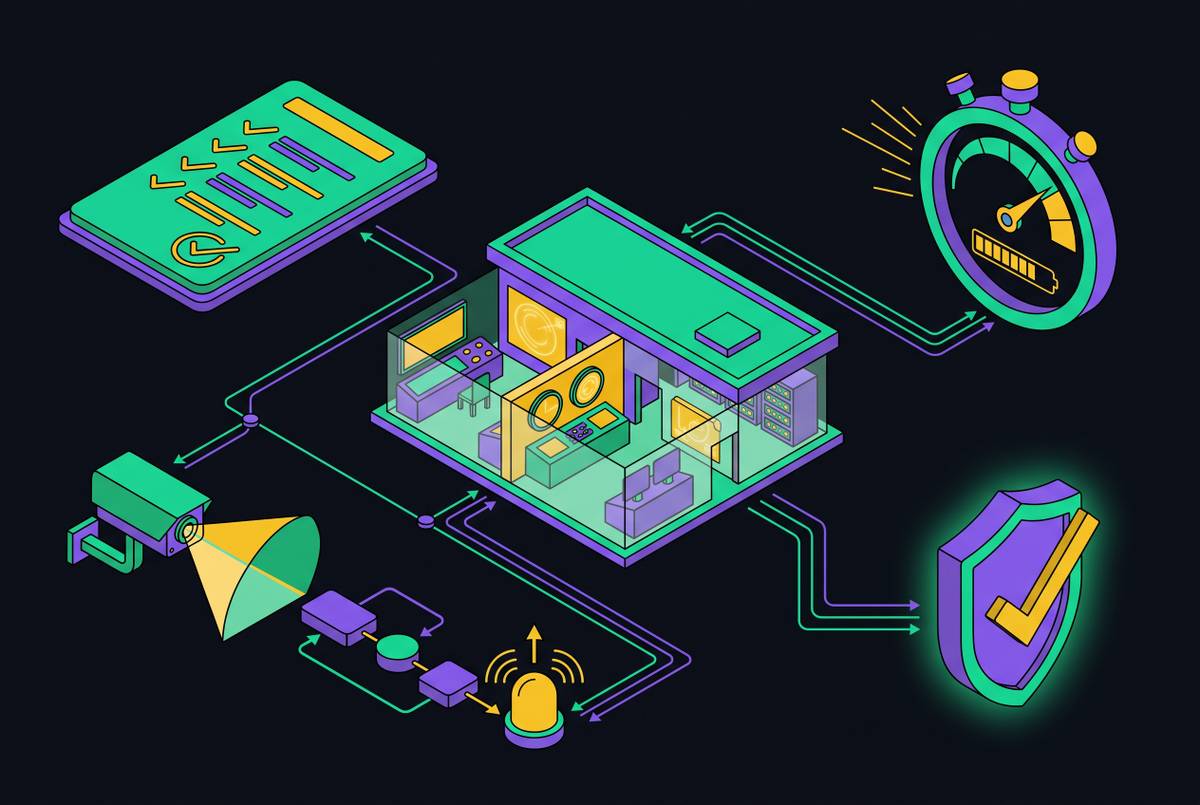
AI reasoning layers verify threats against site context before escalating to human operators.
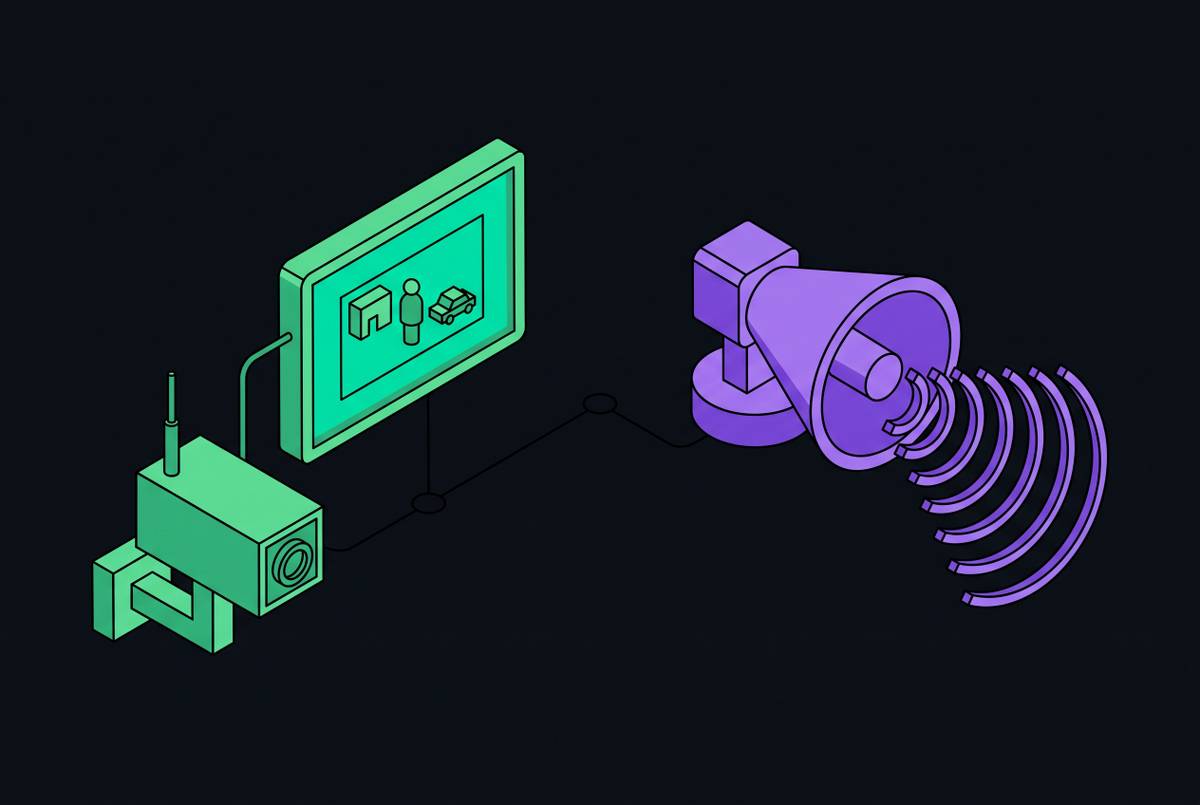
Video and audio each reveal different threats, shaping how operators assess risk.
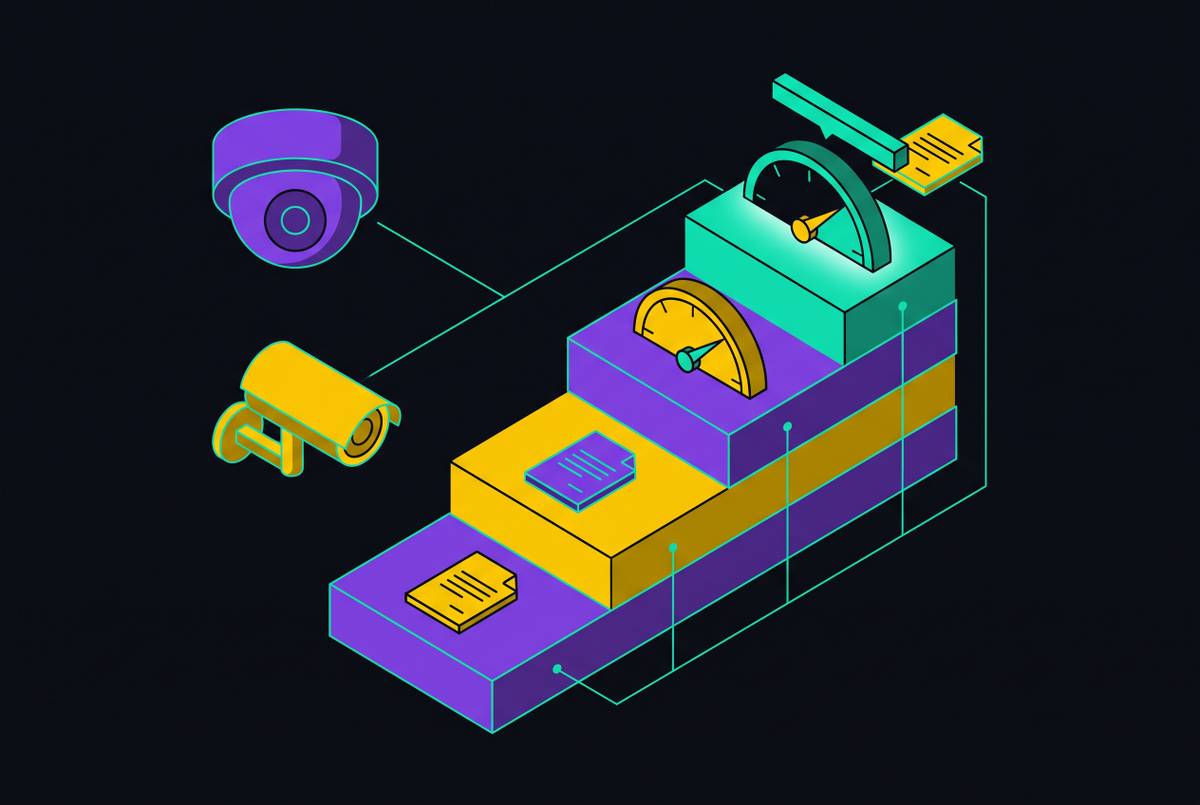
Most monitoring SLAs guarantee uptime, not how fast operators act.
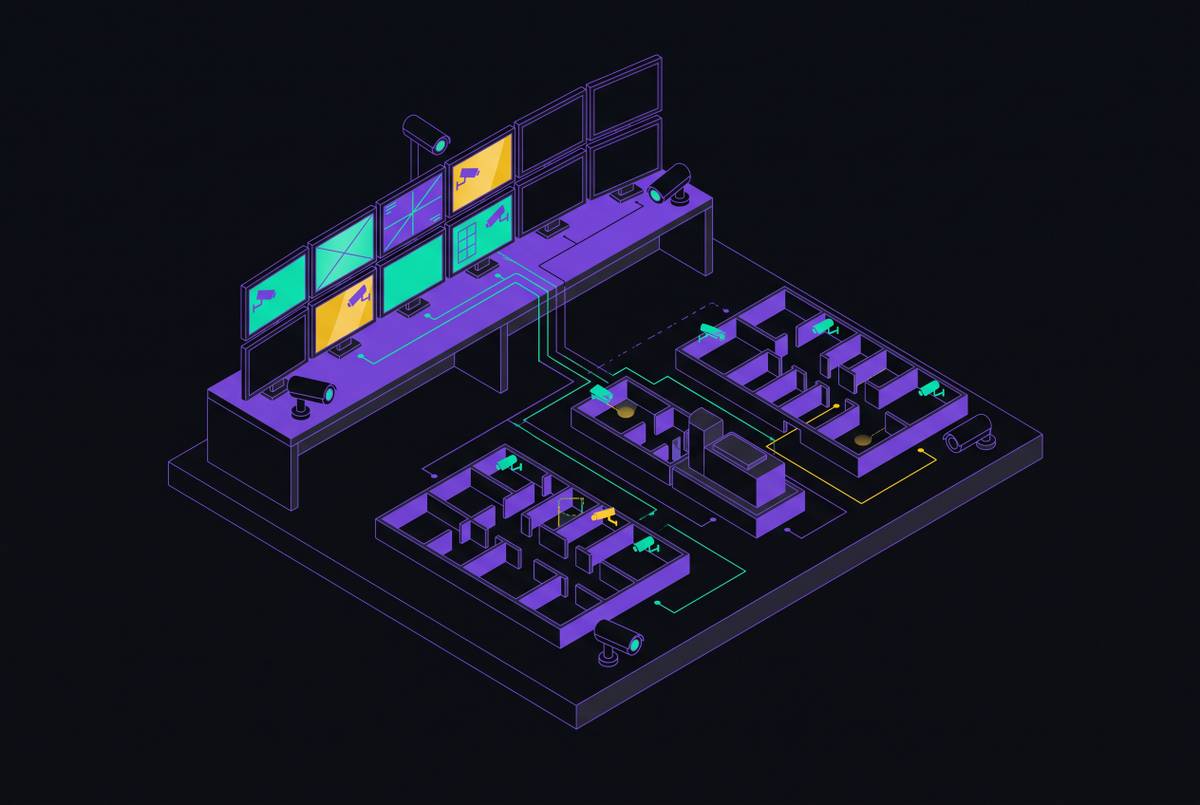
AI agents filter noise before human operators see it, solving peak-hour coverage collapse.
Real protection requires human verification before police arrive, not just after an alarm fires.
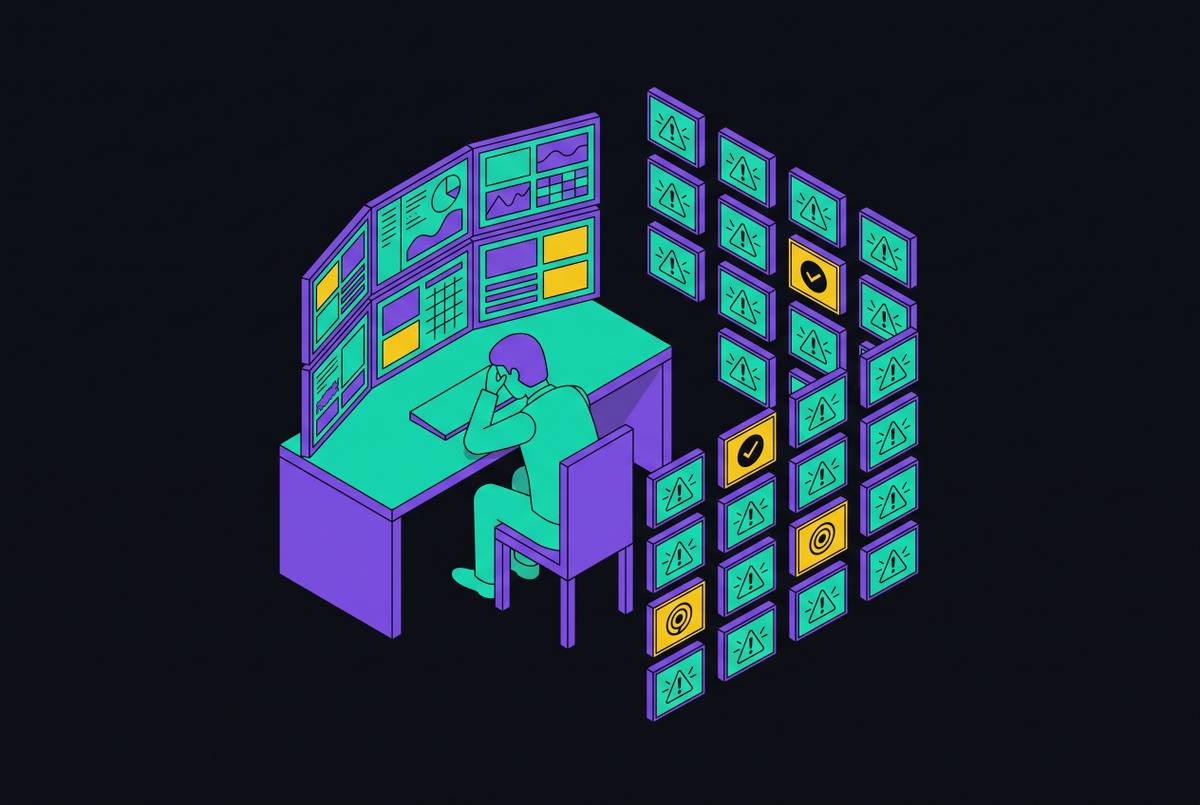
High false positive rates degrade operators' ability to spot genuine threats amid alert fatigue.
Hidden clauses, hollow SLAs, and lock-in drive monitoring overage costs.
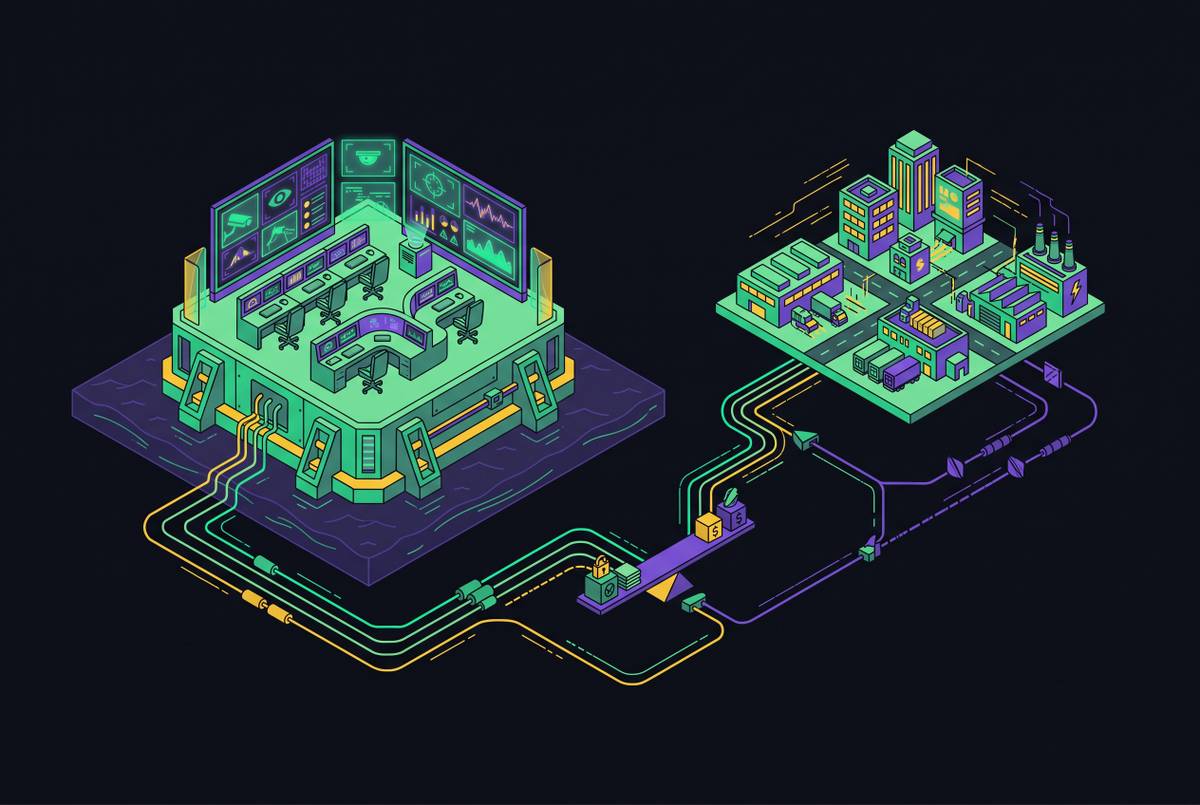
Offshoring cuts labor costs but leaves the real problem—response delays—untouched.
Disabling noisy camera feeds silences real threats along with false alarms.
Most alarms are false, yet real threats still wait behind them in sequential queues.